See How They Run
By Philip King
About the Show
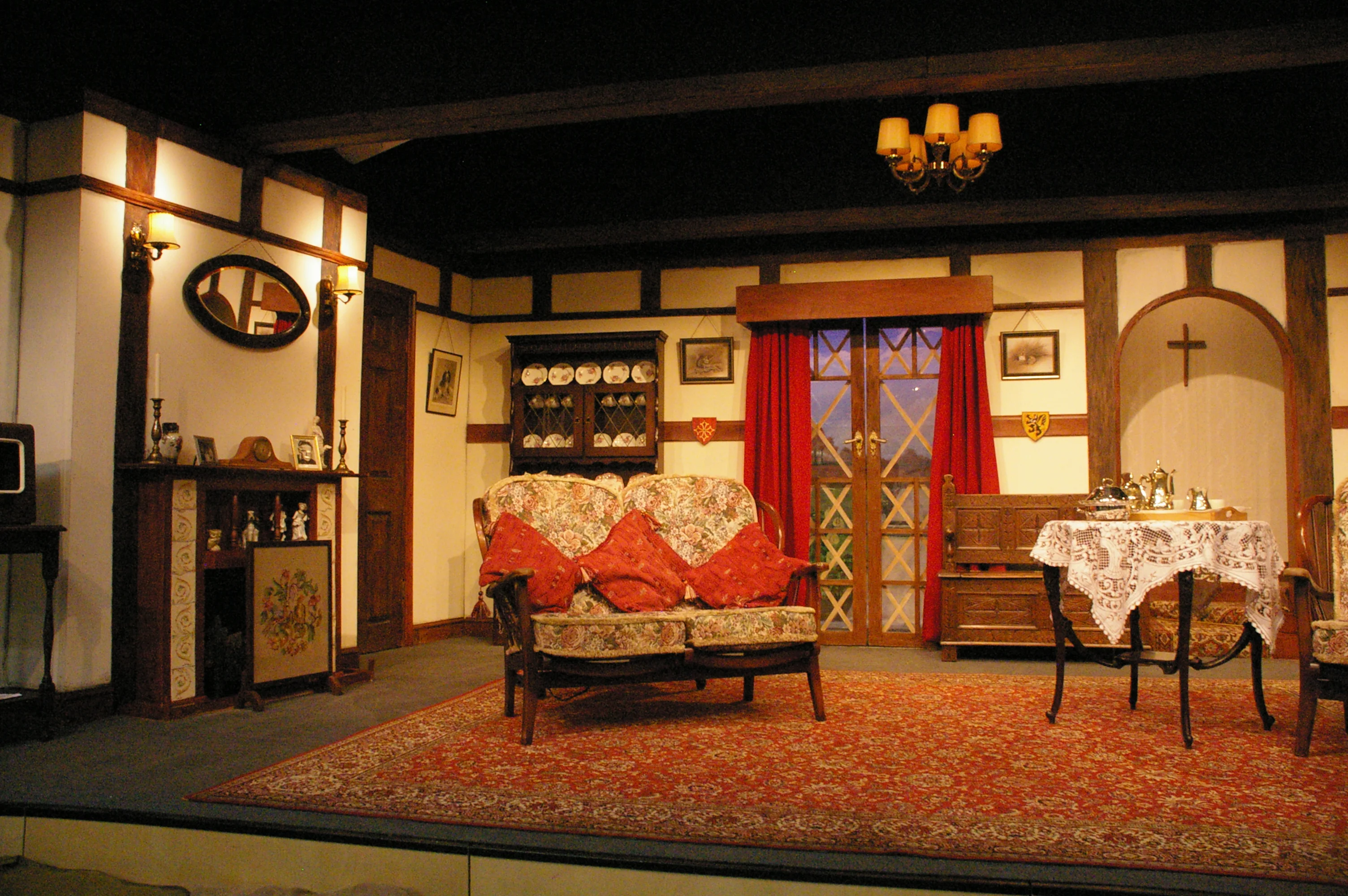
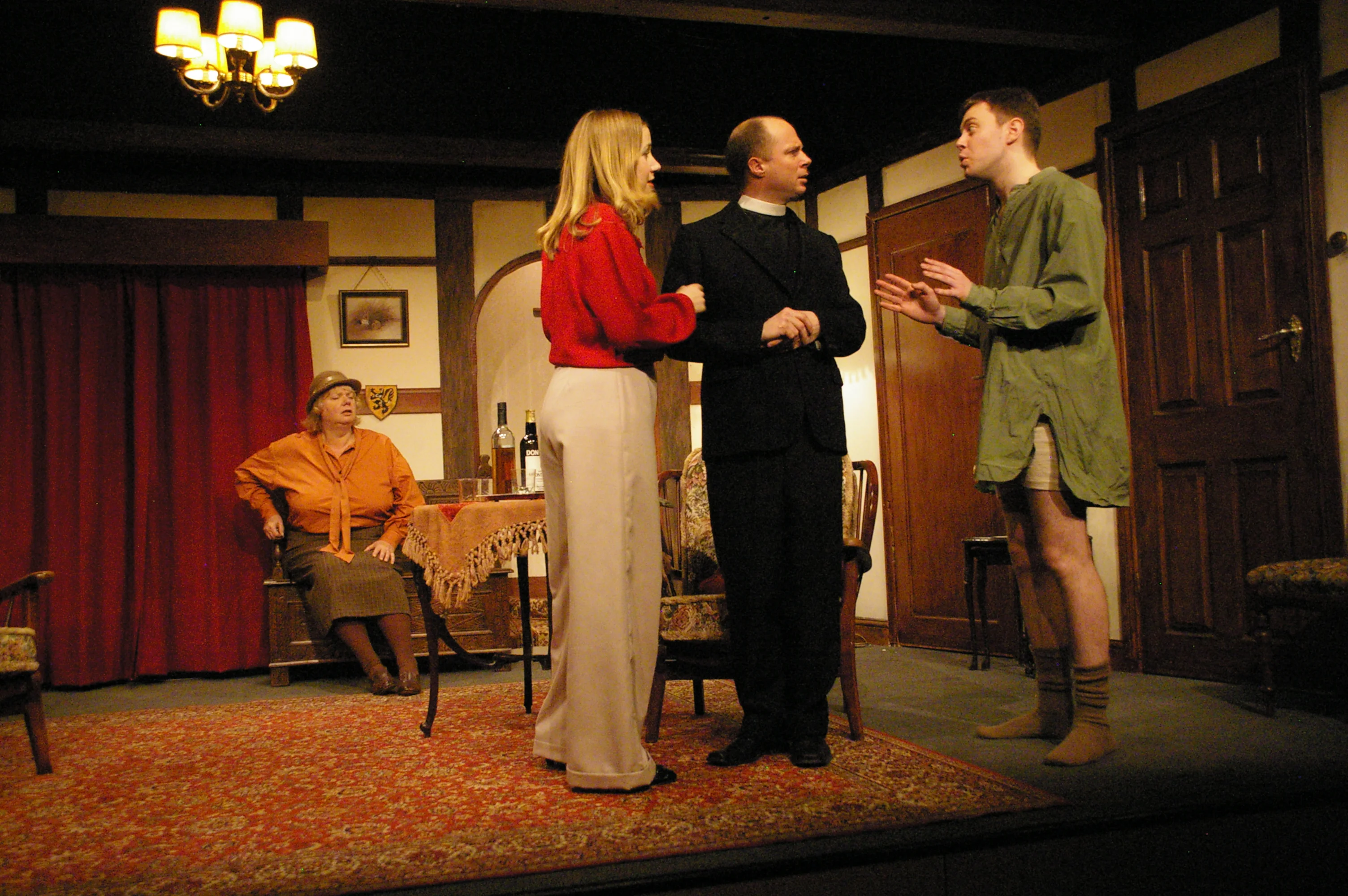
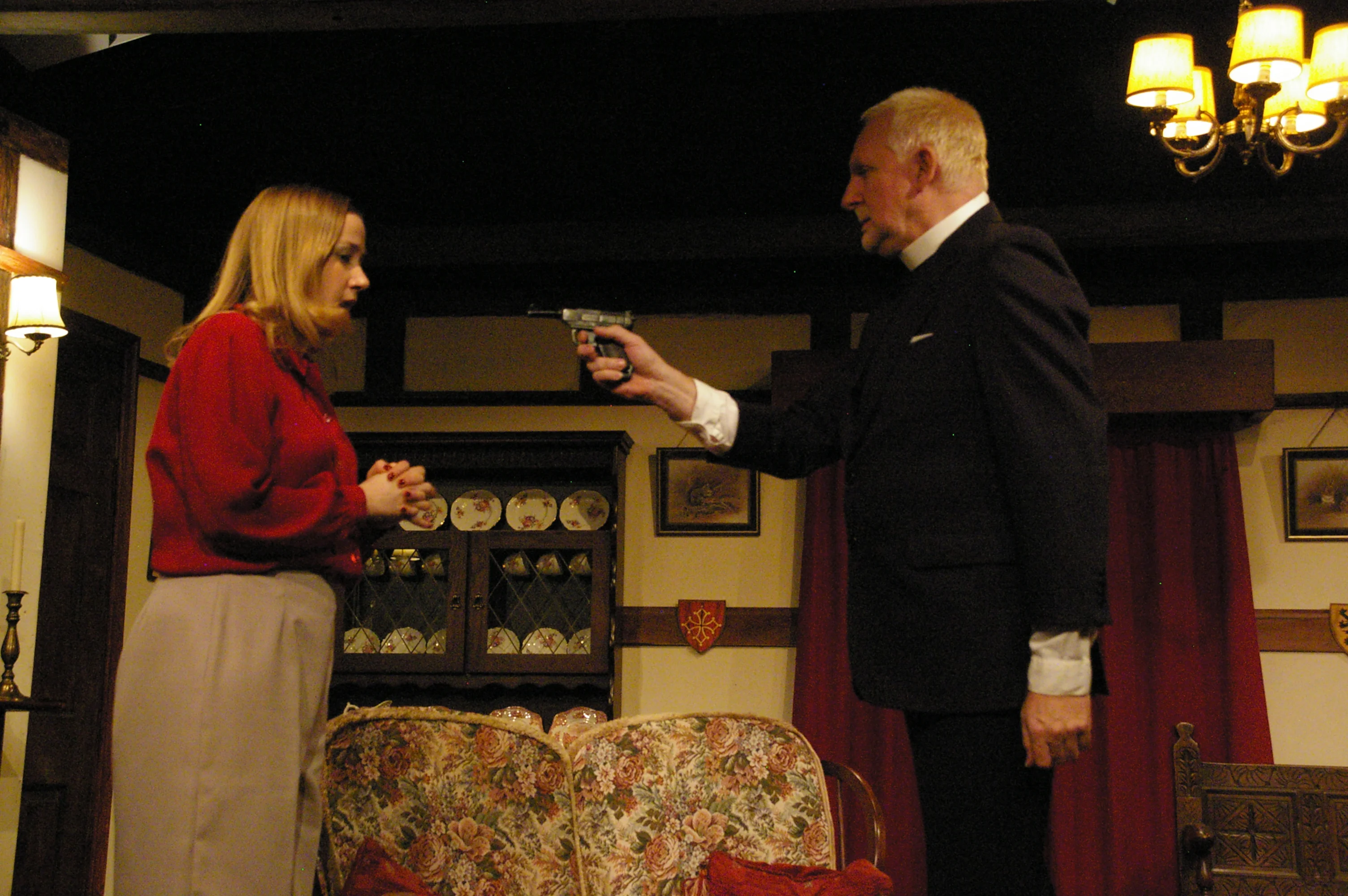
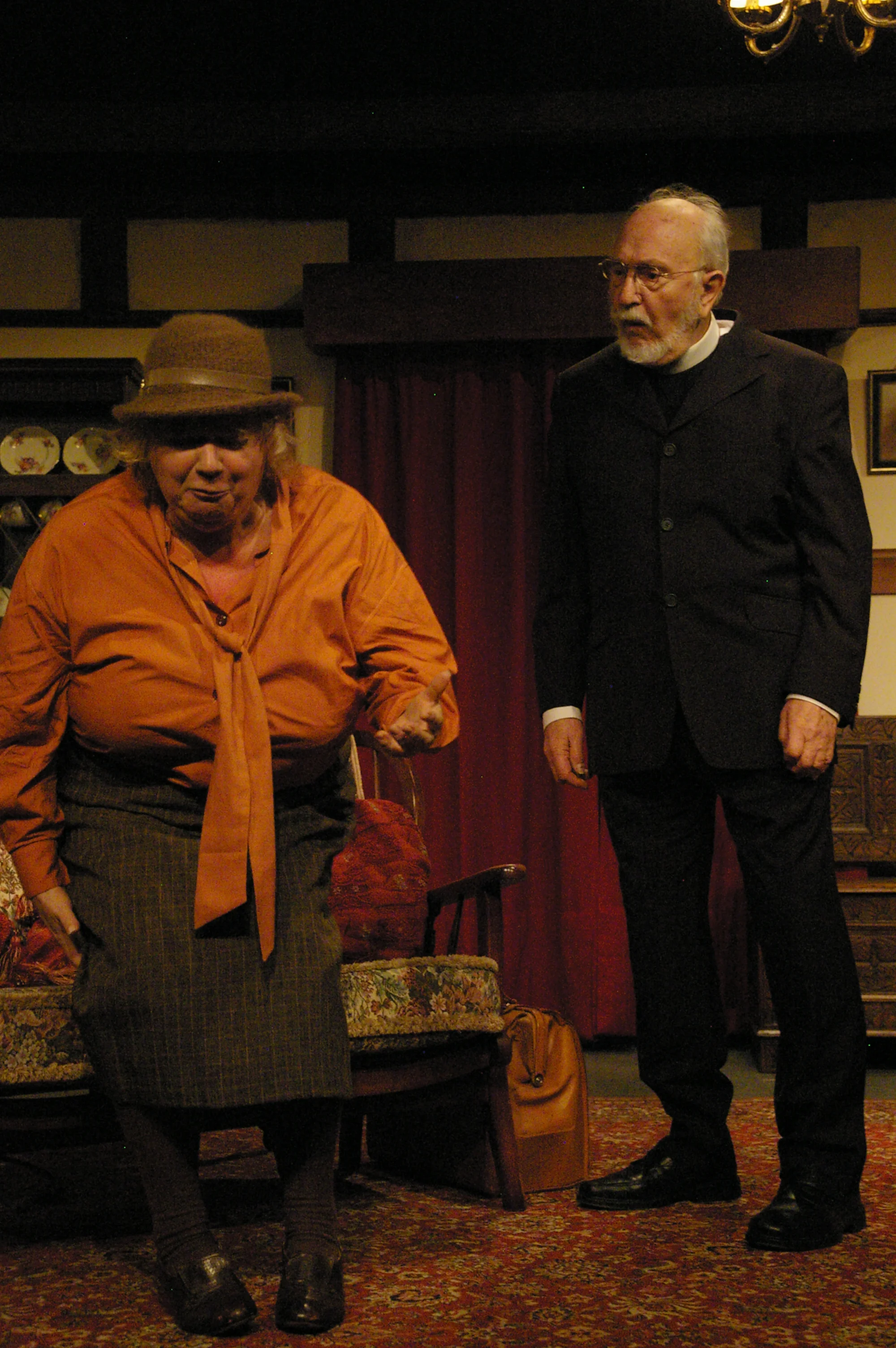
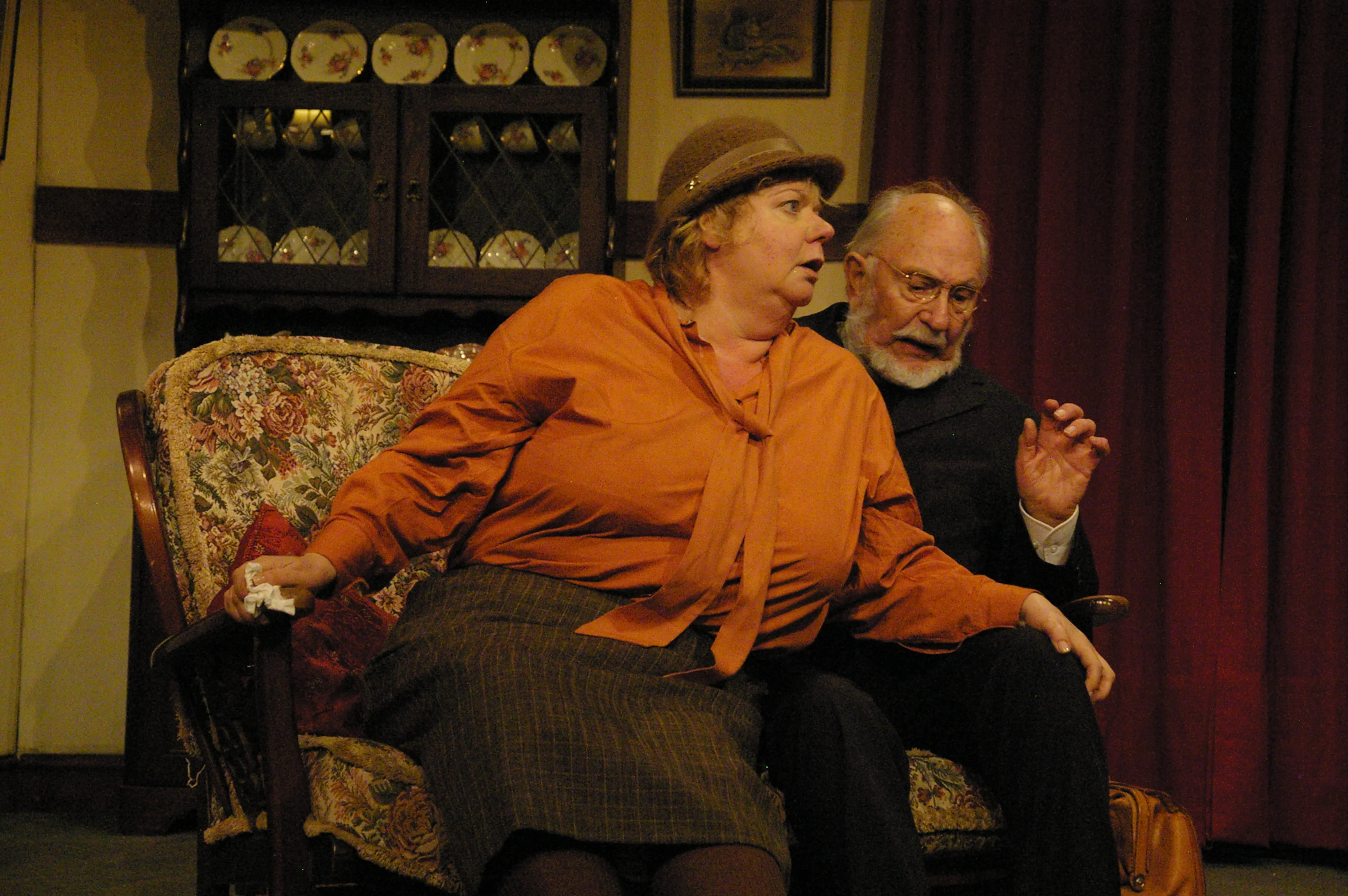
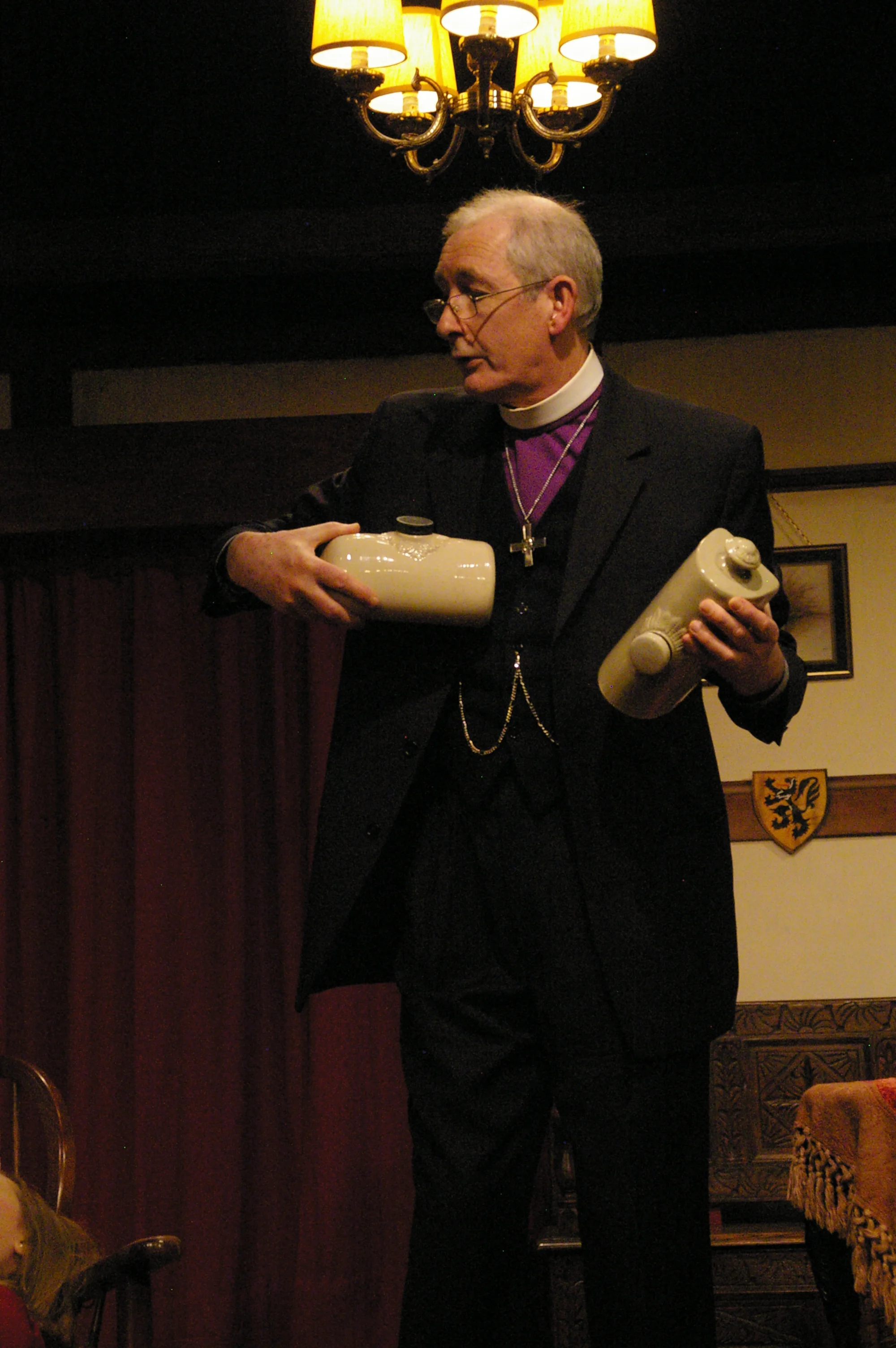
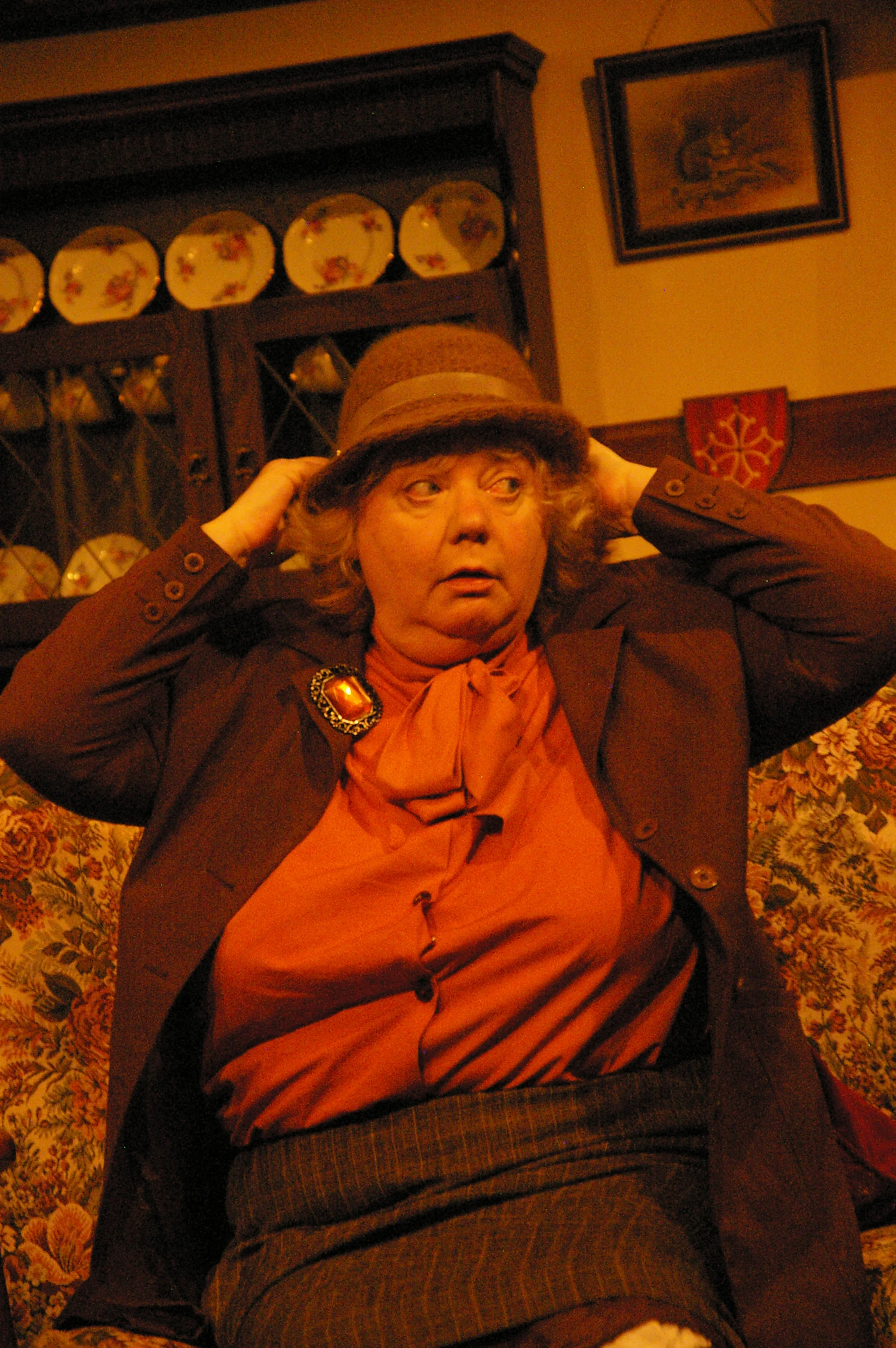
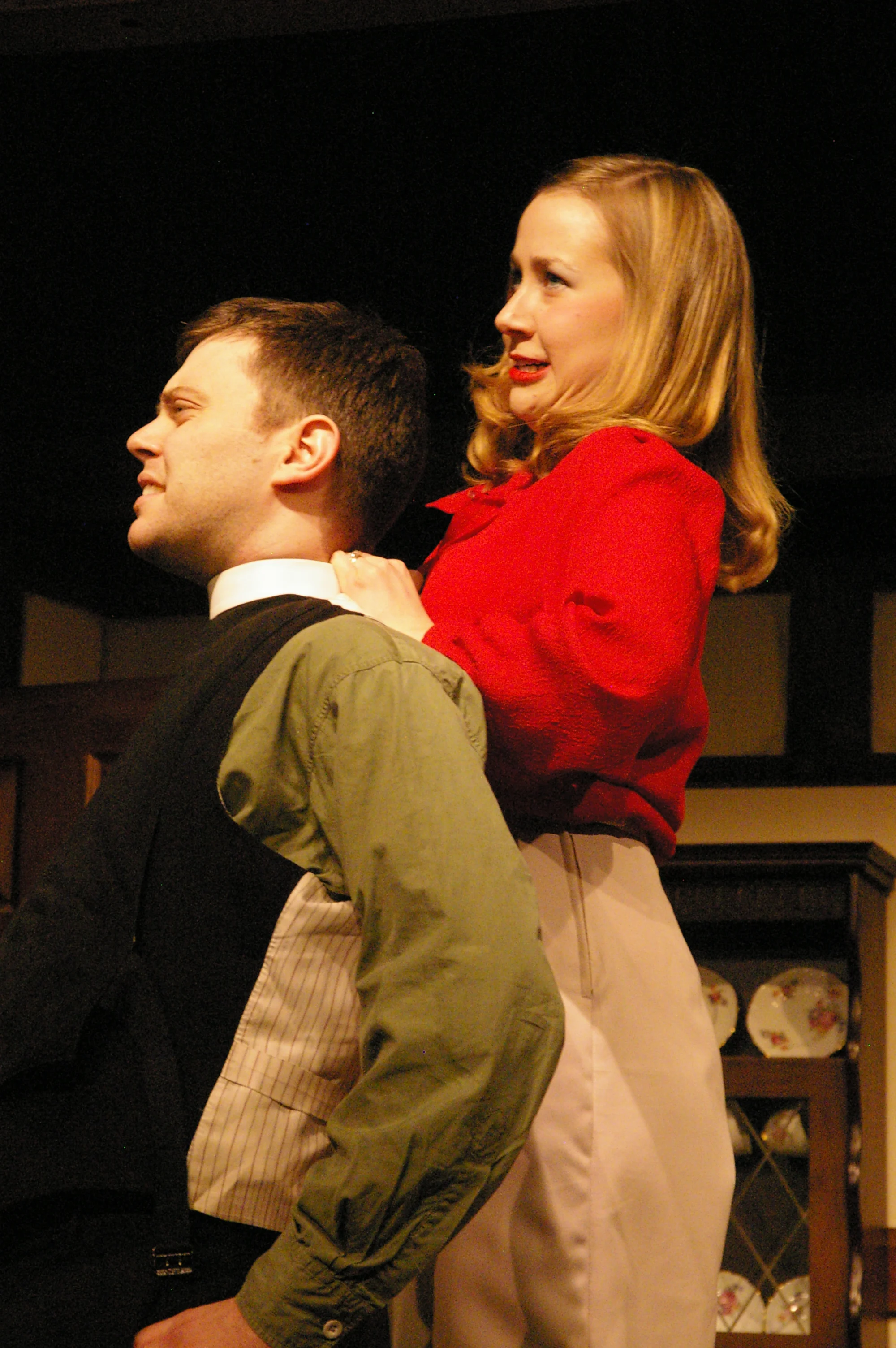
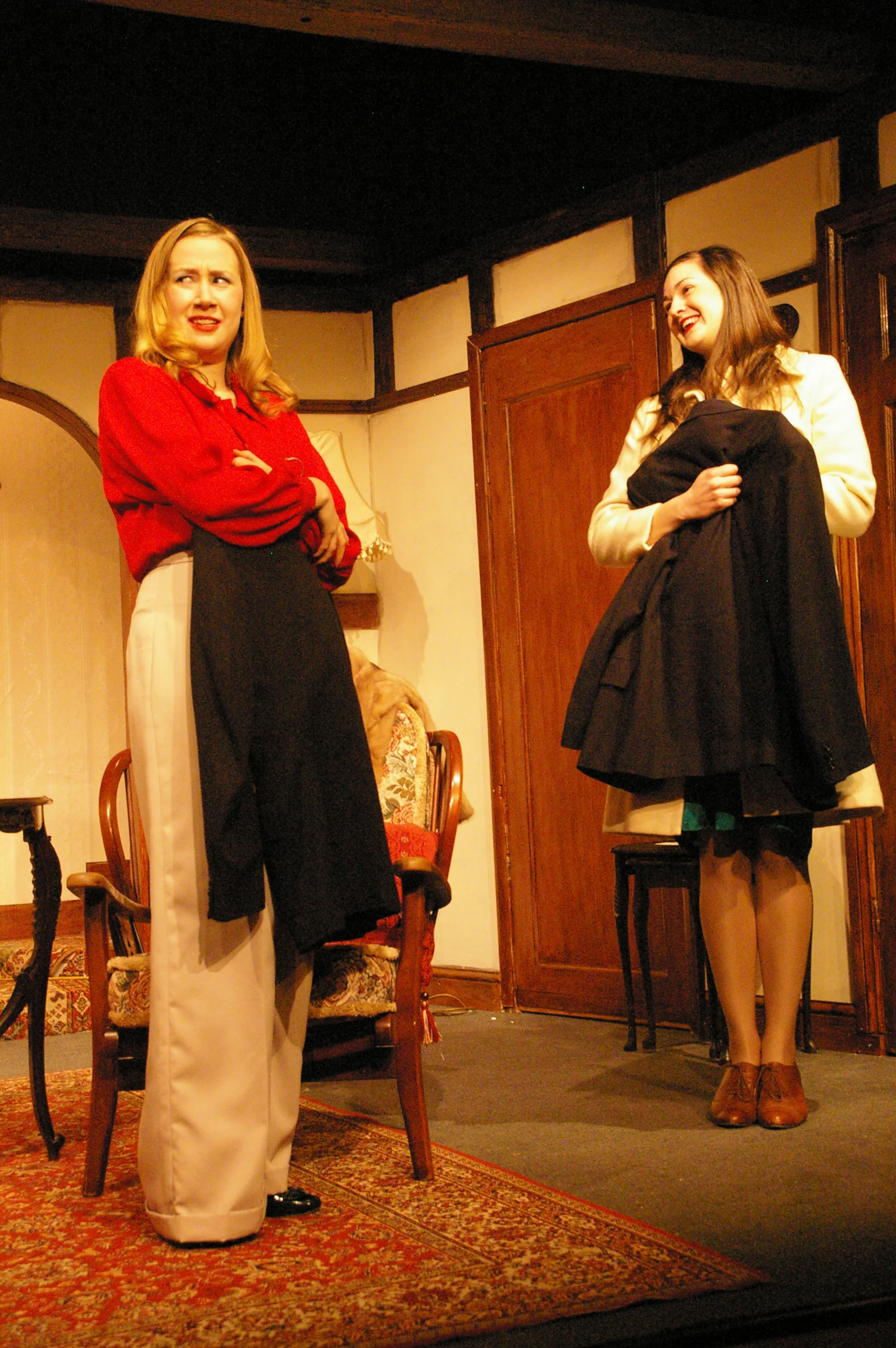
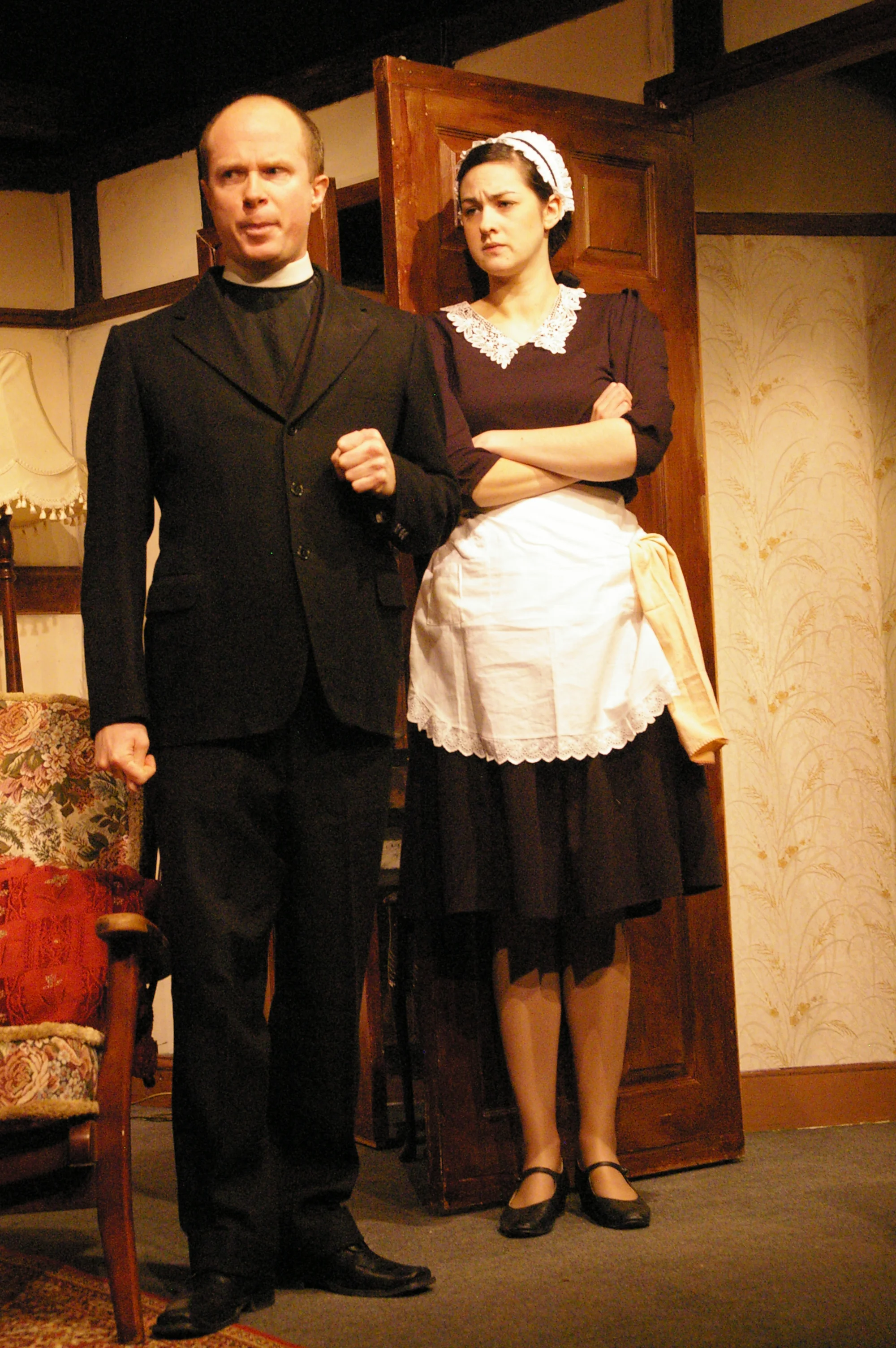
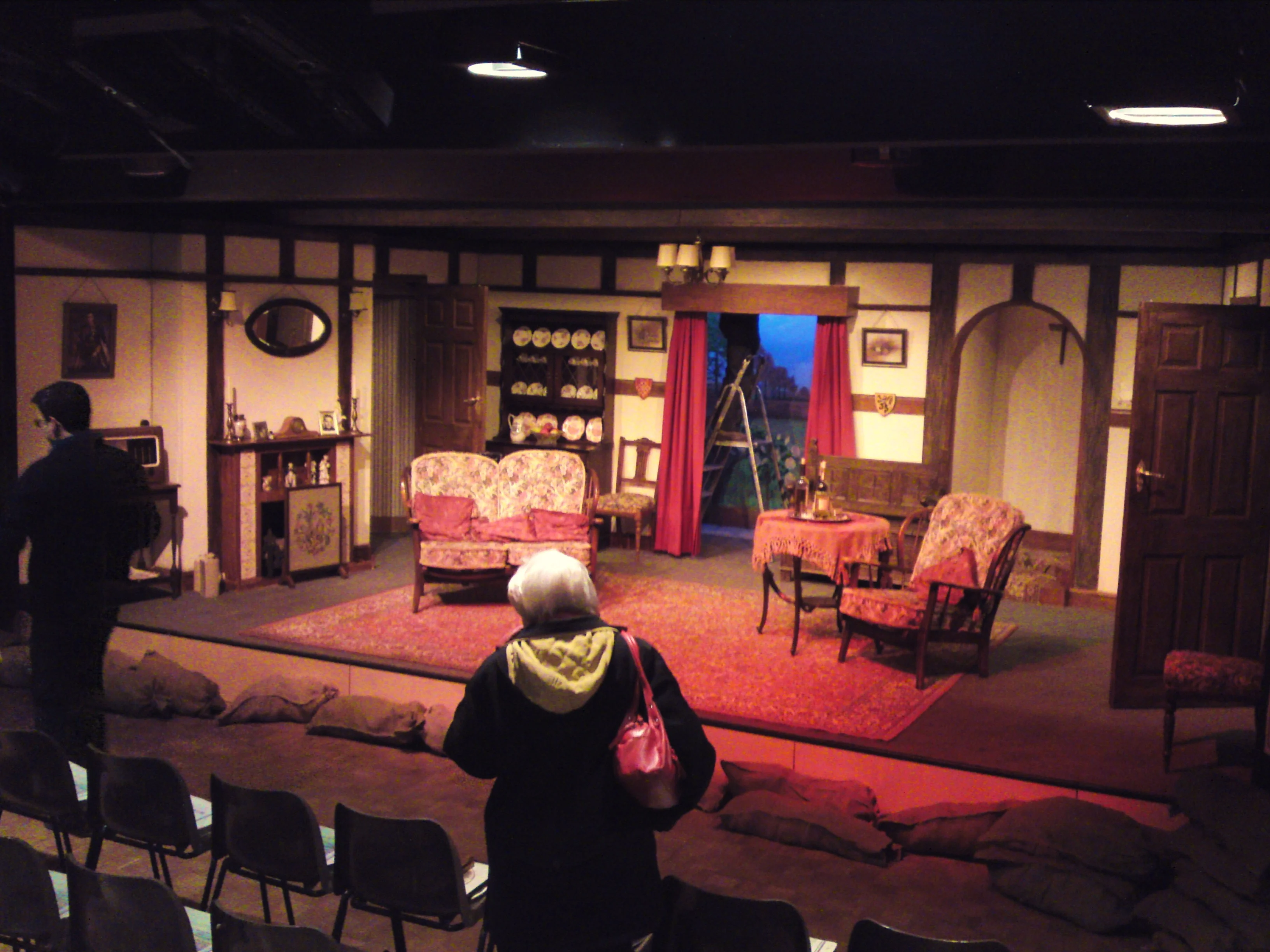
By Philip King, directed by Paul Marshall This play is fast, fun and furious, using stock elements of farce – a bishop, a repressed spinster and loss of trousers. It is set in 1943 in the local Vicarage. The lead character is Penelope Toop, the former actress wife of the local vicar, the Rev. Lionel Toop. They employ Ida, a Cockney maid. Miss Skillon, a churchgoer arrives on bicycle to gossip with the vicar and to complain about the latest 'outrages' that Penelope has caused. The vicar then leaves for the night, and Lance-Corporal Clive Winton, stops by on a quick visit. Penelope and Clive re-enact one of their scenes from Private Lives and manage to knock Miss Skillon unconscious. Miss Skillon gets drunk on a bottle of cooking sherry and Ida hides her in the broom cupboard. Then Toop is taken prisoner by an escaping German prisoner-of-war from a nearby camp, who takes his clothes as a disguise. The real Humphrey and the Bishop of Lax, unexpectedly show up early. Chaos ensues, culminating in a cycle of running figures, most of them dressed as clergy... CastIda, a Maid Verity HallMiss Skillon Sue AppleyardRev. Lionel Toop Stuart ScottPenelope Toop Rachel CormicanLance-Corporal Clive Winton James NearyGerman prisoner Howard JamesThe Bishop of Lax Bernard HarrissRev. Arthur Humphrey Ray HarrisSergeant Towers Tony Skeggs BackstageLighting Designer: Andrew HerbertSound Designer: Jon LewisSet Designer: Adrian PopeStage Director: John HeatherSet Construction: John Heather, Andrew Heather, T62 membersSet Decor: Adrian PopeStage Manager: Sally GuttridgeAsst Stage Manager: Claire MorrisTechnical Support: David Hart, Ian JamesProps: Sally Guttridge, assisted by Barbara GadsdenWardrobe: Valerie Polyydorou assisted by Margaret UzzellMake-up & Hair: Jean Golder, Christine Lever, Penny VetterleinPrompt: Rosemary Harris House Manager: John HeatherRefreshments: Nina JamesRaffle: Dennis & Nikki PackhamBox Office: Margaret UzzellPoster/Programme Design: Graham CopelandProgramme Editor: John Guttridge